Ceramic Insert Bars for High-Wear Crushing Work
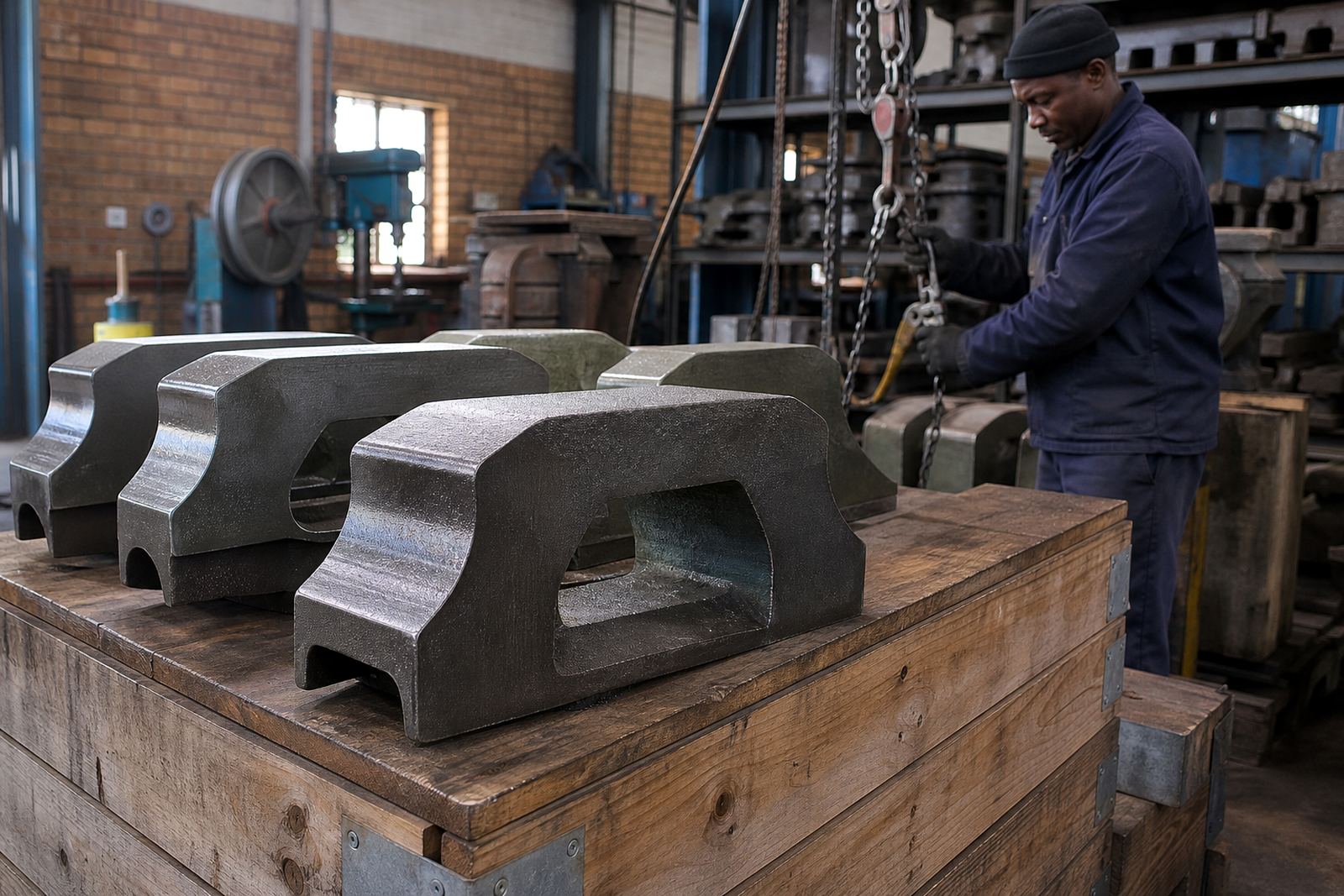
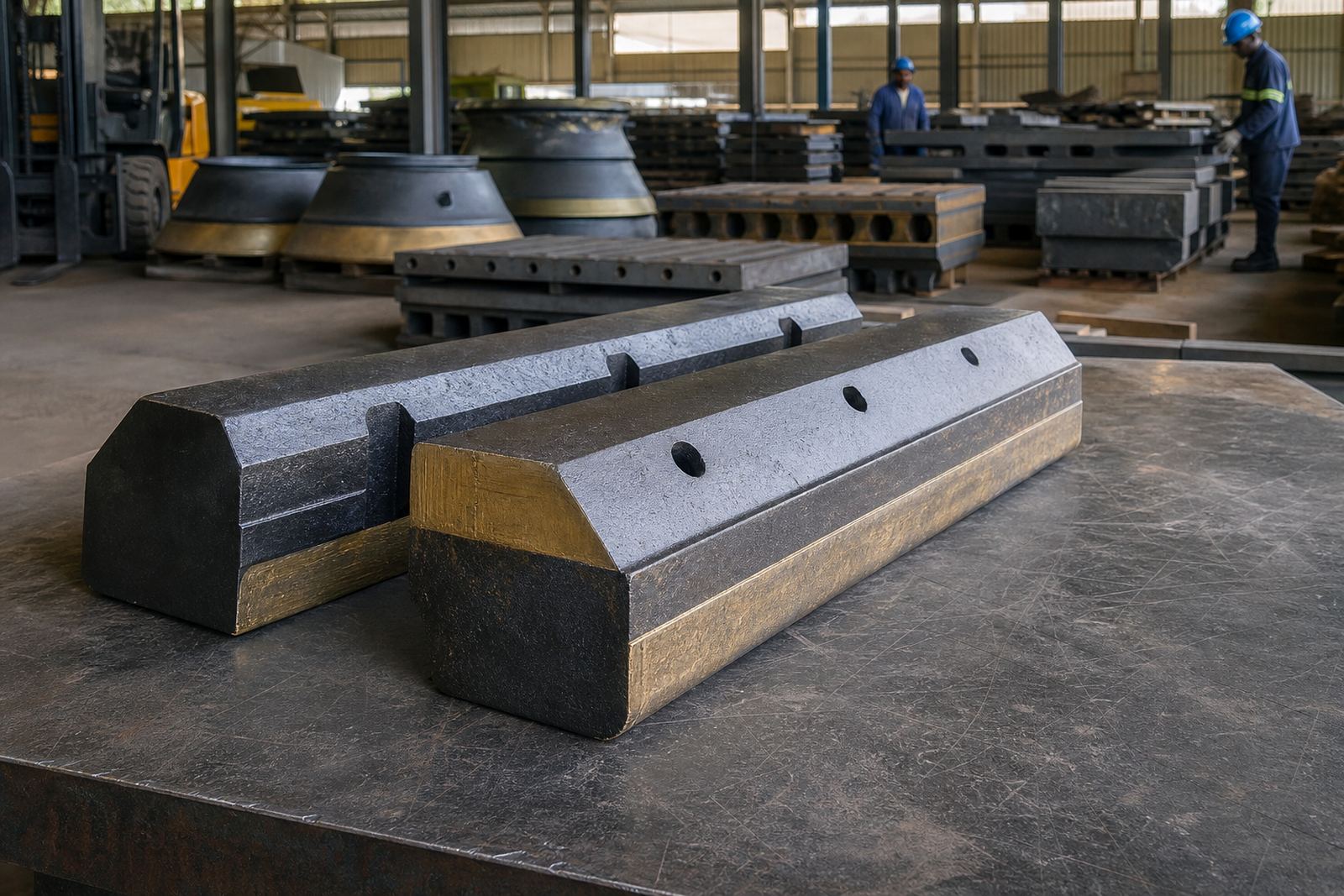
Ceramic insert bars are a type of impact crusher wear part designed for applications where hard feed, abrasive stone, and frequent changeouts put pressure on production. The ceramic insert is used to improve wear resistance in the working face of the bar, while the metal body gives the strength needed for normal crusher loading. They are commonly considered where operators want a longer wear interval on materials that chew through standard bars quickly.
These bars are typically selected for secondary or tertiary crushing duties, but the exact fit depends on the crusher chamber, rotor setup and the type of material being processed. In practice that means the right bar is not only about size, but also about the feed profile, blockiness, moisture content and how the plant is run during a shift. A good match helps reduce unnecessary stoppages and keeps the machine turning with less interruption.
Sizes, Profiles and Fitment Options We Keep in Mind
Not every crusher uses the same profile, fixing pattern or wear face geometry, so ordering needs careful checking. Ceramic insert bars can be supplied in different lengths, heights, thicknesses and mounting styles depending on the machine and application. Some setups need a straight profile while others work better with a stepped or shaped face to suit the rotor and crushing chamber.
- Different bar lengths to match rotor width and chamber arrangement
- Various thicknesses for light, medium or heavy abrasion conditions
- Mounting styles that suit standard replacement routines on site
- Hardness and insert layout chosen for wear life rather than impact only
If you are replacing a set that has already been in service, the best reference is the old part number, a clear photo, or a sample measurement taken on site. We also recommend checking the rotor pocket, wedges and fixing hardware at the same time because worn seating can shorten the life of even a good bar. In the bush and at remote quarries, that sort of detail matters more than most people think, especially when a delay means a whole shift waiting.
Where Ceramic Insert Bars Suit Best
These bars are often used in mines and quarries handling abrasive rock, especially where production teams see heavy scouring on the wear face before the bar has been fully used. They can suit a range of crushing duties across Mpumalanga, Limpopo, the Northern Cape, North West and Gauteng, from harder stone to mixed feed with sharp edges and dusty conditions. Coastal humidity is less of a concern in our main service areas than dust and fines, but proper storage still helps keep parts in good condition before fitting.
They are worth considering when the machine is eating through conventional bars too quickly, or when the cost of repeated shutdowns is higher than carrying a more specialised wear part. On remote sites, the main value is often not only longer wear life but fewer emergency callouts and less pressure on the maintenance team. That can make shutdown planning much easier, especially where access roads are rough and weather can slow freight.
- Hard, abrasive feed materials
- Remote mines where stock-outs are expensive
- Quarries running long shifts and limited maintenance windows
- Sites planning shutdowns around crane time and labour availability
Installation, Power Needs and Site Requirements
Ceramic insert bars do not need electrical power or gas to operate once fitted, but installation still needs the right tools, lifting support and a safe isolation procedure. The crusher must be shut down, locked out and verified before anyone works near the rotor or wear components. On some sites the job is quick, on others the access, guarding and dust conditions can add time, so planning the change during a proper maintenance window is wise.
For fitment, the crew should have the correct lifting gear, torque tools, securing hardware and a clean work area. If the machine is in a remote location, check that the site has enough handling capacity to move the bars safely from delivery point to the crusher. A bar that arrives on time but cannot be lifted into place is still a delay, so we always look at the full delivery and offload picture.
- Lockout and isolation before any work begins
- Suitable lifting gear for the bar weight and dimensions
- Correct wedges, bolts or retaining parts as required
- Dust control and access planning for safe handling
Care, Storage and Servicing Between Changeouts
Good care starts before the bar reaches the machine. Store ceramic insert bars flat, off the ground and under cover to avoid damage, corrosion on associated steel parts, and contamination from fines or water. In Middelburg and across the mining belt, dust gets into everything, so keeping parts packaged until they are needed helps reduce handling problems on site.
During service, operators should monitor wear patterns rather than waiting for complete failure. Uneven wear can point to feed issues, overfeeding, incorrect rotor speed or a chamber that is not set up quite right. Small changes in operating practice can extend part life and reduce emergency replacements, which is important when freight has to move between depots, service areas and remote sites.
- Keep parts dry and covered
- Inspect seating faces and fixings at every changeout
- Check for uneven wear, cracking or impact damage
- Replace associated hardware if it shows signs of fatigue
What to Check When Ordering Ceramic Insert Bars
Ordering the wrong bar can waste time and slow production, so we ask clients to check a few practical details before placing an order through our enquiry form. The most useful information is the crusher model, the old part dimensions, the fixing method and the material being crushed. If the machine has been modified or the chamber has been rebuilt, that must be noted as well because a standard replacement may no longer be correct.
It also helps to know the site location and how urgently the parts are needed. We work from Middelburg, Mpumalanga and arrange freight to remote mines and quarries across South Africa, including the Middelburg Depot, Witbank Service Area, Steelpoort Service Area, Burgersfort Service Area, Phalaborwa Service Area, Rustenburg Service Area, Kathu Service Area and Johannesburg East Support. For shutdowns, we can help with bundled part kits, order consolidation and return freight planning so the right items arrive together and dont sit in separate loads.
- Crusher make and exact model if available
- Bar dimensions, fixing style and wear pattern
- Material being processed and expected abrasion level
- Site location, offload method and required delivery date
Stock Holding and Freight Support from Middelburg
Crusher Consumables Direct was founded in 2011 and is based in Middelburg, Mpumalanga, with stock holding and freight support built around the needs of mines and quarries that cannot afford long lead times. Our team includes Thabo Mokoena, Lerato Nkosi, Johan van der Merwe, Ayanda Dlamini, Sibusiso Mahlangu and Megan Naidoo, and the work is managed with a focus on practical delivery, clear order support and proper load securing. For remote sites, that means we look at route planning, site delivery coordination and return freight planning as part of the job, not after the fact.
Ceramic insert bars are often ordered as part of a broader wear part schedule, especially where shutdown planning must cover jaw plates, mantles, concaves, liners or other crusher wear parts at the same time. By holding stock and moving freight into remote mining areas, we help keep maintenance teams supplied when the pressure is on. If you need a quote or want to confirm the right bar for your machine, send the details through the enquiry form on our contact page and we will take it from there.
Key facts
| Product type | Ceramic insert bar for abrasion-focused crushing applications |
|---|---|
| Typical use | Impact crushing where wear resistance is prioritised over standard bars |
| Available formats | Varies by crusher model, rotor size, fixing style and chamber setup |
| Material focus | Abrasive stone, hard feed and high-wear quarry or mine duty |
| Installation requirement | Shutdown, isolation and correct lifting gear, no power or gas needed for the part itself |
| Supply area | Middelburg base with freight across South Africa, including remote mine and quarry sites |