What hopper liners do on a working plant
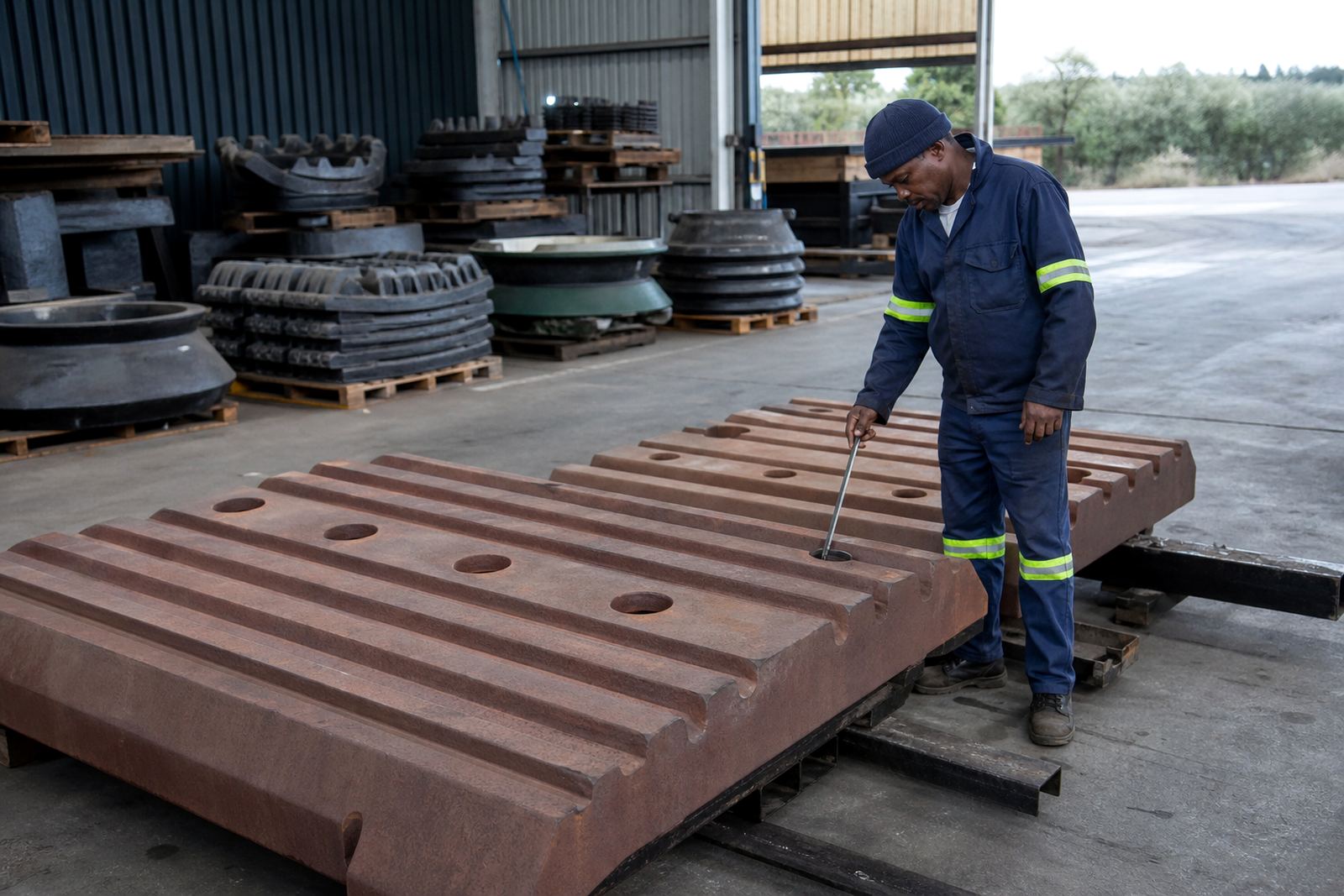
Hopper liners sit inside the hopper or feed chute area where material first drops onto the plant. Their job is to take the impact and abrasion before the steel body of the hopper starts wearing thin. In mines and quarries, this is one of the first places to show damage because large stone, sticky ore and recycled fines all hit the same area day after day.
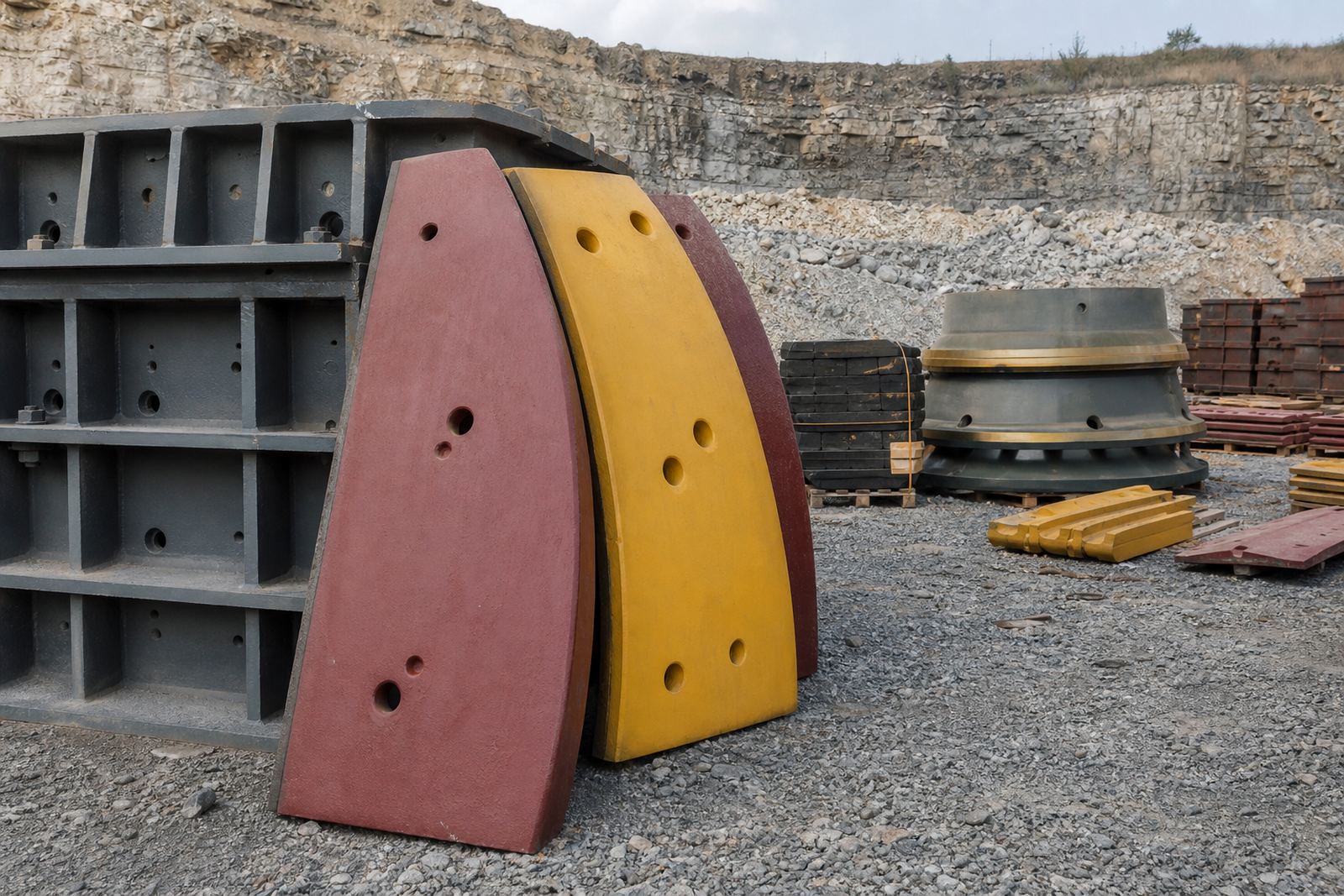
We supply hopper liners for high-wear loading areas linked to crushing and screening plants, with options suited to bulk feed hoppers, transfer points and lined receiving bins. The aim is to protect the base structure, reduce patch welding and keep material flow more even. That matters on remote sites where a small delay can hold up the whole shift and there is no time for repeat breakdowns.
- Reduces direct wear on hopper walls and impact points
- Helps control flow where material drops from front end loaders or tip trucks
- Supports longer service intervals between shutdowns
- Can be used in fixed plants and mobile crushing setups
Sizes, plate thickness and liner options
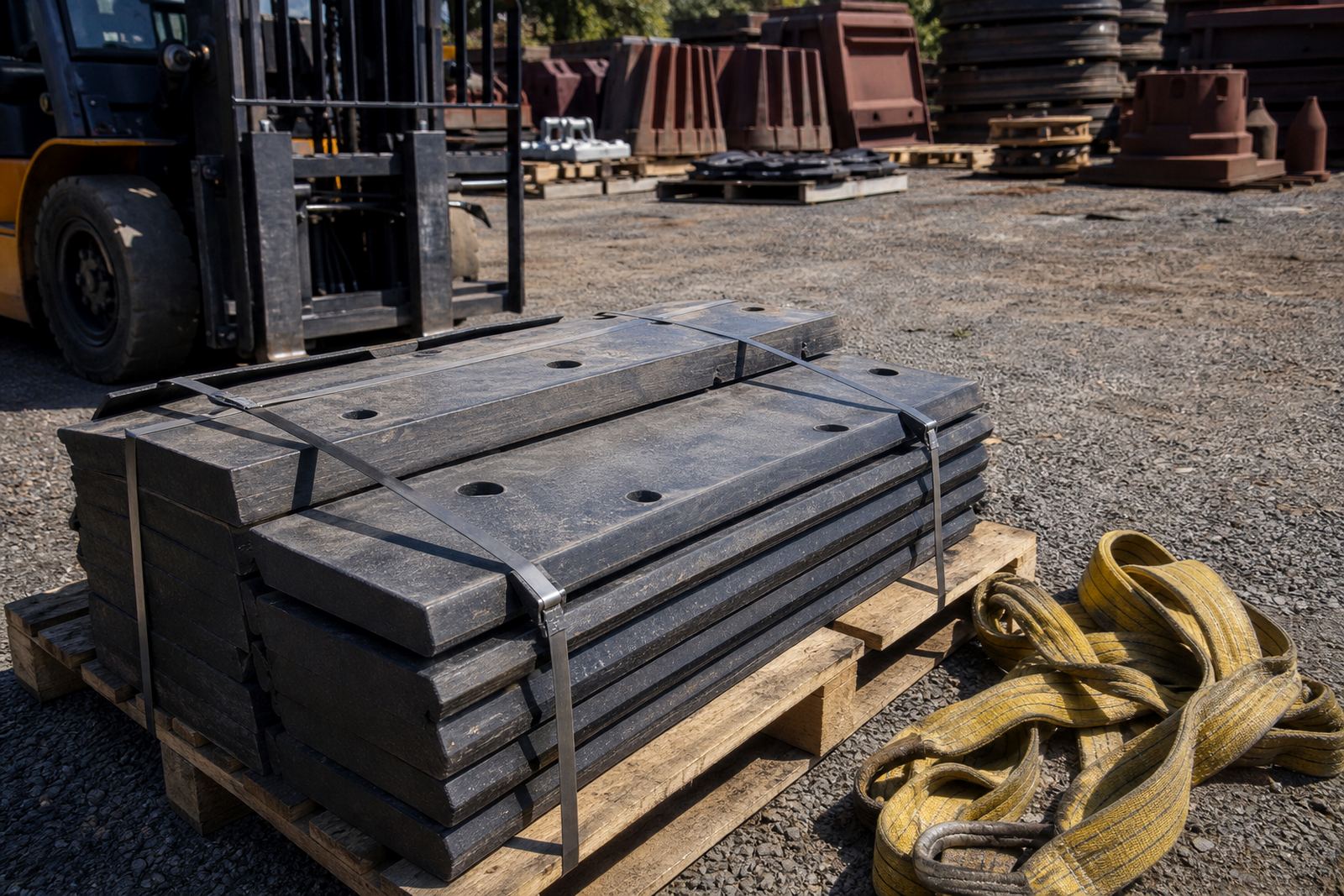
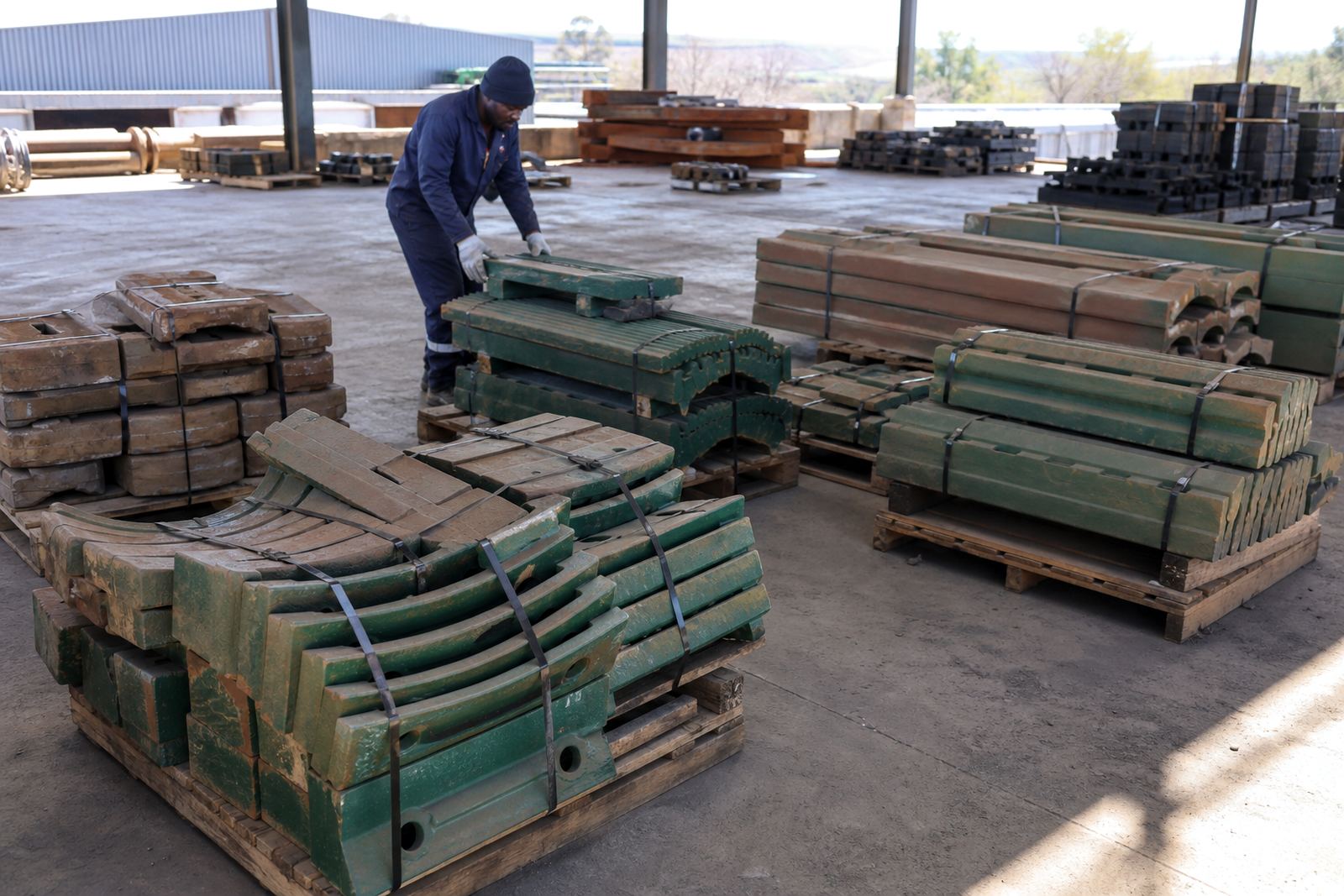
Hopper liners are usually made to suit the actual hopper dimensions on site, because feed openings, angles and wear zones differ from one plant to the next. We can assist with flat sections, formed sections and wear strips depending on the hopper shape and how the material enters the box. Common plate thicknesses range from medium duty to heavy duty, depending on impact and abrasion levels.
Options are typically selected to suit the material being processed, the tonnage passing through the plant and how often the hopper is cleared. Hard rock, iron ore, chrome, coal and quarry stone all wear differently. If the loading area sees regular impact from large lumps, a thicker liner or stronger backing arrangement is often better than a lighter sheet. If the load is fine but abrasive, a smoother wear surface may last longer and make cleanup easier.
- Flat liner plates for walls and base sections
- Formed liners for curved or angled hopper panels
- Replaceable wear strips for high contact edges
- Custom cut sizes based on site measurements
Where hopper liners suit best
These liners suit crushing and screening plants that receive material from tip trucks, front end loaders or transfer conveyors. They are often used at quarry faces, plant feed bins, ROM pads and stockpile reclaim points. On remote mines, the hopper can see uneven loading, coarse rock and variable moisture, so lining the right sections makes a practical difference to uptime.
Hopper liners are especially useful where the plant runs for long shifts, where load shedding already complicates plant scheduling, or where weather adds extra strain. Coastal humidity can speed up surface corrosion, while dusty inland sites in places like Kathu, Steelpoort or Phalaborwa often deal with abrasive fines that eat into bare steel. We also support plants in Middelburg, Witbank, Burgersfort, Rustenburg, Johannesburg East, Mpumalanga, Limpopo, the Northern Cape, North West and Gauteng.
- Quarries with repeated truck tipping into the same feed zone
- Remote mines with limited maintenance windows
- Plants handling abrasive, wet or sticky material
- Sites that want to reduce frequent welding repairs
Fitting, fixing and power requirements
Hopper liners are mechanical wear parts and do not need power or gas to function once installed. The installation method depends on the hopper design and the access available during shutdowns. Some liners are bolted in place, while others may be welded or clamped depending on the structure and the maintenance plan. If the hopper is awkward to access, we can help plan the supply in sections that are easier to handle on site.
Correct fitting matters. Plates that are not properly seated can trap fines, loosen over time or cause uneven wear around the edges. On mine sites where shutdowns are short, it helps to pre-check bolt patterns, hole positions and the clearances around chutes and feeders before the part arrives. Good site measurements save a lot of back and forth later, and they cut down on rework.
- No operational power or gas required after installation
- Check access, bolt spacing and lining direction before fitting
- Use the correct lifting gear for heavy plate sections
- Isolate the plant fully before any maintenance work
Care, servicing and when to replace them
Hopper liners should be checked during regular plant inspections, especially after heavy runs, abrasive ore batches or wet weather. Look for thinning at the impact zone, cracked bolt holes, loose fasteners and bent edges where material has started to undercut the plate. Early attention can prevent damage to the hopper body underneath, which is far more expensive to repair.
For sites that run through long campaigns, a simple visual check at each service interval is often enough to catch trouble early. If the liner surface has worn through unevenly, the feed may start to shift to one side and place extra strain on nearby components. In some cases the liner can be turned or replaced section by section, which is easier than waiting until the whole hopper is exposed. A small repair today can stop a bigger outage next week.
- Inspect after each major shutdown or high-tonnage run
- Watch for thinning around impact points and edges
- Replace loose or missing fixing hardware immediately
- Do not wait for the hopper body to wear through
What to send us when ordering hopper liners
To match the right hopper liners, we need clear measurements and a few details about how the plant works. The more accurate the information, the quicker we can help with stock checking, freight planning and bundling the order with other wear parts if needed. If you are replacing a liner that has already failed, photos and rough dimensions are still useful, but a drawing or old sample is better.
Please include the hopper opening size, liner length and width, thickness required, fixing method, number of pieces needed and the plant location. It also helps to know what material is being processed and whether the area sees high impact, high abrasion or both. If the site is in a remote area, tell us about access roads, delivery times and any loading limits at the gate. That makes freight planning simpler and reduces delays at site.
- Exact dimensions or a sketch with measurements
- Thickness required and fixing details
- Material type and wear pattern
- Delivery site, access restrictions and target date
Key facts
| Product type | Hopper liners for crusher and screening plant feed areas |
|---|---|
| Typical fit | Fixed plants, mobile plants, ROM feed bins and transfer hoppers |
| Material options | Wear plate and lined sections to suit impact and abrasion conditions |
| Size range | Supplied to order or matched from site measurements |
| Installation | Bolted, welded or clamped depending on hopper design |
| Supply area | Middelburg base with freight to mines and quarries across South Africa |