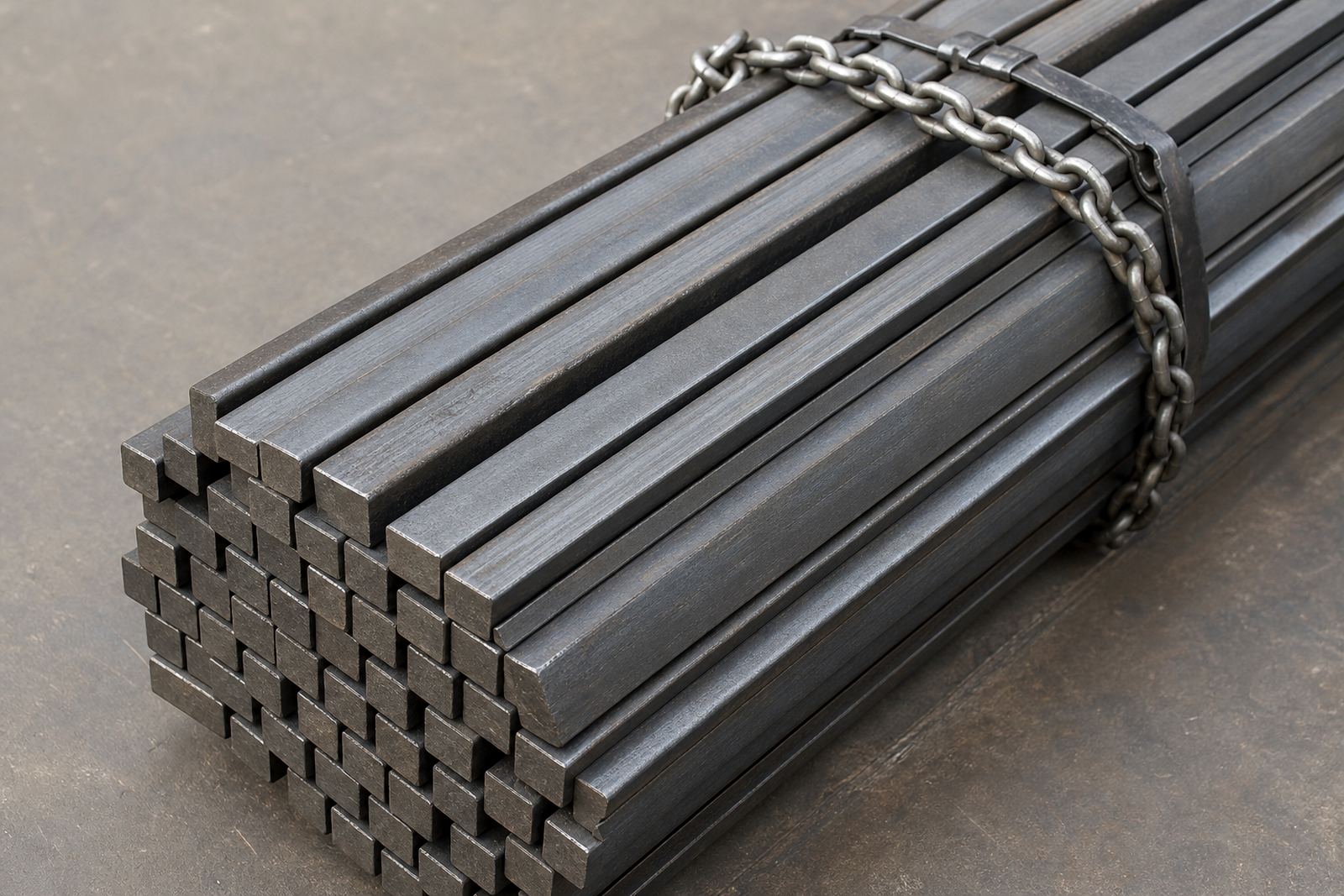
What locking bars do in a crusher assembly
Locking bars are used as a support and retention item on selected crusher wear assemblies, helping hold wear components correctly during installation and service. They are not the main crushing surface, but they play an important part in keeping the assembly seated as intended while the machine is set up for work.
In practice, they are fitted where the crusher design calls for them, often alongside jaw plates, mantles, concaves, blow bars or liners. When the right bar is used, the fitter can work with more confidence and the assembly is less likely to move out of position during tightening or inspection. That matters on site, especially when time is tight and the machine has to be back in production quickly.
Sizes, profiles and material options we handle
Locking bars are supplied in a range of sizes and profiles because crushers differ by chamber design, wear package and fastening arrangement. The bar length, thickness and hole pattern must match the machine being worked on, otherwise installation becomes difficult and the fit can be unreliable.
We supply locking bars as generic support items for selected crusher wear assemblies and can assist with matching the correct style to the part list or sample you provide. Common points to confirm are the crusher model, the position of the bar, the fastener size and the wear package it works with. If you are sending stock to a mine in Burgersfort or a quarry near Rustenburg, getting these details right from the start saves a second trip.
- Length and width to suit the assembly
- Thickness for the required hold and spacing
- Hole centres, slot pattern or keyed profile where applicable
- Material grade suited to the duty and wear environment
- Handing or position if the bar is side specific
Where locking bars suit best on site
These parts suit mines and quarries that service crushers on a planned maintenance cycle, as well as sites that need urgent part replacement after a shutdown or breakdown. They are commonly used in plants working with hard rock, dusty feed and repeated changeouts, where correct installation support helps the crew keep to schedule.
We regularly move stock to remote locations across Mpumalanga, Limpopo, the Northern Cape, North West and Gauteng. That includes work in colder inland areas, high dust environments and places where access roads can add hours to a delivery. Our freight planning takes that into account so the right locking bars arrive with the rest of the wear package, not after the machine is already open.
- Jaw crusher installations and service work
- Cone and gyratory wear assemblies where specified
- Impact crusher wear packages where bar support is required
- Quarry shutdowns and mine maintenance stops
- Bundled part kits for grouped changeouts
Installation needs and site conditions to allow for
Locking bars do not require any power or gas supply. They are mechanical support items fitted during the installation process, usually by the maintenance team with normal workshop tools, lifting gear and the correct fasteners. The key requirement is proper access to the crusher and enough time for safe fitment.
On remote sites the installation space may be tight, and some crews work around weather delays, load-shedding or limited crane availability. It helps to check the lifting plan, the tool list and the order in which the wear parts will be fitted before the shutdown starts. If the machine is already open and the wrong bar has been sent, that can hold up the whole programme.
We can help with order support and bundled part kits so the locking bars are matched with the other items in the package. That is useful for sites in Steelpoort, Phalaborwa and Kathu where freight timing and shutdown windows have to line up properly.
Care, inspection and replacement during servicing
Locking bars should be inspected whenever the crusher is opened for wear part changeout. Look for bending, edge damage, cracked sections, thread wear at the fastening points and any signs that the part has been reused beyond its service condition. A bar that looks minorly worn can still cause trouble if it no longer holds the assembly in the right position.
Store spare bars in a dry place, off the floor and away from water spray, especially on coastal or high humidity sites. If the parts are kept outside near a stock yard, moisture and dirt can make installation harder later. It is also worth checking the mating surfaces and fasteners at the same time, because a clean fit is just as important as the bar itself.
- Inspect before every shutdown installation
- Replace if bent, cracked or badly worn
- Keep dry and clearly labelled by crusher type
- Check fasteners and mating faces at the same time
What to check before you place an order
To supply the correct locking bars, we need the crusher details and enough information to match the assembly. Please check the machine model, the position of the bar, the quantity required and whether you are replacing a single part or planning a full wear set. If you have the old bar on hand, measurements from the sample are often the fastest way to confirm fit.
It also helps to note whether the order is for Middelburg collection, local delivery or freight to a remote mine or quarry. Our team can arrange stock holding, route planning and site delivery coordination from our base in Middelburg, Mpumalanga. We support enquiries from the Middelburg Depot, Witbank Service Area, Steelpoort Service Area, Burgersfort Service Area, Phalaborwa Service Area, Rustenburg Service Area, Kathu Service Area and Johannesburg East Support.
For enquiries, use the form on our contact page and include any drawings, measurements or part references you have. Thabo Mokoena and the team will work through the details, and if anything is unclear we will help narrow it down before dispatch. That keeps the process practical, which matters when a shutdown is already on the clock.
Key facts
| Product type | Locking bars for selected crusher wear assemblies |
|---|---|
| Use | Installation support item for crusher wear part fitment |
| Typical fitment areas | Jaw, cone, gyratory and impact crusher assemblies where specified |
| Material options | Site specific wear and service grade options, subject to machine requirement |
| Sizes | Made to match machine model, bar profile, thickness and hole pattern |
| Supply area | Middelburg base with freight to mines and quarries across South Africa |